In this article, we’ll delve into why restaurant scheduling tools are indispensable for modern eateries and how you can leverage them to maximize efficiency. Understanding how these tools work and the benefits they offer can transform how you manage your restaurant, leading to increased productivity and a more harmonious work environment. Moreover, by integrating these tools with other aspects of your restaurant operations, you can ensure a seamless workflow from scheduling to payroll and beyond.
What Are Restaurant Scheduling Tools?
Restaurant scheduling tools are software applications designed to help restaurant managers create, manage, and communicate employee schedules. These tools can range from simple apps to more comprehensive systems that integrate with other restaurant management functions. They are designed to address the unique challenges faced by the hospitality industry, where schedules can be highly variable and staff availability can fluctuate.
The Benefits of Using Restaurant Scheduling Software
Adopting restaurant scheduling software can transform how you manage your team. Here are some compelling reasons to consider these tools:
Improved Efficiency
By automating the scheduling process, you reduce the time spent on manual scheduling tasks. This allows managers to focus more on other critical areas of the business, such as customer service and quality control. Automation also minimizes errors that often occur with manual scheduling, such as double-booking or scheduling conflicts, which can disrupt operations and lead to customer dissatisfaction.
Furthermore, efficient scheduling ensures that you have the right number of staff during peak hours and fewer staff during slower periods, optimizing labor costs. This balance is crucial in maintaining profitability while ensuring customers receive the attention and service they expect.
Enhanced Communication
Restaurant scheduling apps often come with built-in communication features, such as messaging and notifications. This ensures that everyone is informed about their shifts and any changes promptly, reducing confusion and missed shifts. Effective communication is vital in the restaurant industry, where last-minute changes are common, and clear communication can prevent misunderstandings and ensure smooth operations.
These tools also facilitate direct communication between managers and staff, enabling instant updates and feedback. This immediate interaction fosters a more collaborative environment and helps resolve issues quickly, improving overall team dynamics.
Better Work-Life Balance
For employees, having access to a restaurant employee app means they can easily view their schedules, request time off, and swap shifts. This flexibility can lead to increased job satisfaction and lower staff turnover. Empowering employees with control over their schedules can also boost morale and productivity, as they feel valued and respected in their roles.
Additionally, providing employees with the tools to manage their schedules can help reduce absenteeism and improve accountability. When employees can manage their availability and commitments effectively, it results in a more reliable workforce and a more stable work environment.
Key Features to Look for in Restaurant Scheduling Software
When choosing a restaurant scheduling app, it’s essential to consider the features that will best meet your needs. Here’s what to look for:
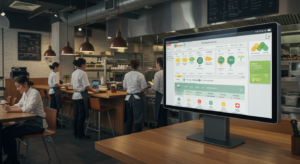
User-Friendly Interface
A straightforward and intuitive interface is crucial. It allows both managers and employees to navigate the system easily, reducing training time and potential errors. A user-friendly design ensures that all users, regardless of their technological proficiency, can access and utilize the system efficiently.
Moreover, an intuitive interface can speed up the adoption process and minimize resistance from staff. When employees find the tool easy to use, they are more likely to embrace it and integrate it into their daily routines.
Shift Swapping and Drop Features
These features enable staff to trade shifts with coworkers or drop a shift for others to pick up. This flexibility is vital in the restaurant industry, where unexpected changes can occur. The ability to swap shifts without managerial intervention empowers employees and reduces the administrative burden on managers.
Flexibility in scheduling not only improves employee satisfaction but also helps maintain adequate staffing levels. When employees can adjust their schedules easily, it reduces the likelihood of understaffing and ensures continuity in service delivery.
Automated Scheduling
Look forrestaurant scheduling software that offers automated scheduling, which can suggest optimal schedules based on historical data and predicted demand. This feature can significantly reduce the time spent creating schedules. Automated scheduling takes into account various factors such as employee availability, skills, and labor laws, creating a balanced schedule that meets both operational needs and employee preferences.
Additionally, automated scheduling helps identify patterns and trends, allowing managers to make data-driven decisions about staffing levels. By predicting busy periods, managers can allocate resources more effectively, enhancing customer satisfaction and operational efficiency.
Integration with Other Systems
The best restaurant scheduling software will integrate seamlessly with your existing systems, such as payroll and inventory management, creating a more cohesive and efficient operation. Integration reduces the need for manual data entry and minimizes the risk of errors, ensuring that all systems work in harmony.
Seamless integration also streamlines administrative tasks, freeing up time for managers to focus on strategic initiatives. By connecting scheduling with payroll, for example, managers can ensure accurate and timely compensation, improving employee satisfaction and reducing payroll discrepancies.
Mobile Accessibility
In today’s digital age, having a mobile-friendly or app-based solution is essential. It allows managers and employees to access schedules and make changes on the go, enhancing convenience and responsiveness. Mobile accessibility ensures that everyone has real-time access to their schedules, regardless of location, promoting flexibility and adaptability.
A mobile solution also enables managers to respond quickly to staffing issues, such as unexpected absences, by sending notifications or updates directly to employees’ devices. This immediacy can prevent potential disruptions and maintain service standards.
Popular Restaurant Scheduling Programs
Several restaurant scheduling programs stand out for their effectiveness and user-friendly features. Here’s a look at some of the top options:
1. 7shifts
7shifts is a popular choice among restaurateurs due to its robust features and ease of use. It offers tools for scheduling, communication, and labor cost management, making it a comprehensive solution for restaurant staff scheduling. With its intuitive interface and extensive reporting capabilities, managers can gain valuable insights into labor trends and optimize staffing accordingly.
The platform’s ability to integrate with other restaurant management systems further enhances its appeal, providing a seamless experience for both managers and staff. Its flexibility and scalability make it suitable for restaurants of all sizes, from small cafes to large chains.
2. HotSchedules
HotSchedules is known for its powerful scheduling features and integration capabilities. It’s ideal for restaurants that require detailed labor management and reporting tools. The platform offers advanced analytics that helps managers make informed decisions about staffing and labor costs, ensuring optimal resource allocation.
Additionally, HotSchedules’ robust communication features facilitate seamless interaction between team members, enhancing collaboration and efficiency. Its user-friendly design and comprehensive support make it a preferred choice for many restaurant operators looking to streamline their scheduling processes.
3. When I Work
This app is ideal for smaller establishments looking for a simple yet effective scheduling tool. It offers essential scheduling features, including shift swapping and messaging, making it a great restaurant rostering software option. The platform’s affordability and ease of use make it accessible to smaller businesses that may not require advanced features.
When I Work’s focus on simplicity does not compromise its functionality, as it still provides the necessary tools for effective scheduling and communication. Its mobile app ensures that both managers and employees can stay connected and manage schedules efficiently, regardless of their location.
4. Deputy
Deputy provides an intuitive scheduling platform that helps manage shifts, time tracking, and compliance. Its mobile app ensures that both managers and employees have access to the latest schedule updates. The platform’s emphasis on compliance ensures that schedules adhere to labor laws and regulations, reducing the risk of legal issues.
Deputy’s comprehensive suite of features, including task management and performance tracking, makes it a versatile tool for managing various aspects of restaurant operations. Its integration capabilities further enhance its utility, making it an excellent choice for restaurants seeking a holistic management solution.
Free vs Paid Restaurant Scheduling Tools: Which is Right for You?
While some restaurant scheduling tools require a subscription fee, there are also free restaurant scheduling apps available. It’s essential to weigh the pros and cons of each:
Free Restaurant Scheduling Apps
Free options can be attractive for smaller restaurants or those just starting. However, they may lack some advanced features or come with limitations on the number of users or schedules. While they offer basic functionality, these tools may not support complex scheduling needs or integrate with other systems, potentially limiting their effectiveness.
For startups and small businesses with limited budgets, free apps can provide a cost-effective solution for initial scheduling needs. However, as the business grows and scheduling demands increase, transitioning to a paid solution may become necessary to access more advanced features and support.
Paid Scheduling Software
Paid restaurant scheduling software often provides a more comprehensive suite of features, better customer support, and regular updates. For larger restaurants or those with more complex scheduling needs, investing in the best restaurant scheduling software can offer significant benefits. Paid solutions typically offer enhanced functionality, such as detailed reporting, advanced analytics, and seamless integration with other systems.
Investing in a paid tool can also provide peace of mind, knowing that you have access to dedicated support and ongoing updates to meet evolving industry standards. For restaurants aiming to optimize operations and improve efficiency, the cost of paid software can be justified by the potential savings in labor costs and improved operational performance.
Implementing a Restaurant Scheduling Tool
To successfully implement a scheduling tool in your restaurant, follow these steps:
Step 1: Identify Your Needs
Before selecting a tool, clearly define your scheduling needs. Consider factors such as the size of your team, the complexity of your scheduling, and any integration requirements. Understanding your specific needs will help you choose a tool that aligns with your operational goals and provides the necessary functionality.
Engage with your team to gather input on scheduling challenges and preferences. This collaborative approach ensures that the selected tool addresses the needs of all stakeholders and promotes buy-in from staff members.
Step 2: Research and Select a Tool
Compare different scheduling tools based on your needs and budget. Look for reviews and testimonials to gauge user satisfaction and product reliability. Consider conducting trials or demos to evaluate the user experience and assess how well the tool integrates with your existing systems.
Involve key stakeholders in the decision-making process to ensure that the chosen tool meets the needs of both managers and employees. A thorough evaluation process will help you select a tool that enhances efficiency and supports your restaurant’s growth.
Step 3: Train Your Team
Once you’ve selected a tool, ensure that both managers and employees are trained on how to use it. This will ensure a smooth transition and maximize the tool’s effectiveness. Provide comprehensive training sessions and resources to familiarize staff with the tool’s features and functionalities.
Encourage ongoing learning and provide support to address any questions or challenges that may arise during implementation. By empowering your team with the knowledge and skills to use the tool effectively, you can foster a culture of continuous improvement and innovation.
Step 4: Monitor and Adjust
After implementation, continuously monitor how the tool is being used and make adjustments as necessary. Gather feedback from your team to identify any issues or areas for improvement. Regularly review performance metrics and data to evaluate the tool’s impact on scheduling efficiency and employee satisfaction.
Be open to making changes and improvements based on feedback and performance analysis. This iterative approach ensures that the tool continues to meet your evolving needs and supports your restaurant’s success.
Conclusion
Restaurant scheduling tools are a game-changer for modern eateries, offering a host of benefits from improved efficiency to enhanced employee satisfaction. By choosing the right restaurant scheduling app and implementing it effectively, you can streamline your scheduling process and focus more on delivering exceptional dining experiences. These tools provide the flexibility and functionality needed to navigate the dynamic nature of the restaurant industry, empowering managers and employees alike.
In a fast-paced industry where every minute counts, leveraging technology to manage your team efficiently is not just an option—it’s a necessity. Whether you opt for a free restaurant scheduling app or invest in a more comprehensive solution, the right tool can make all the difference in optimizing your restaurant’s operations. By embracing these technological advancements, you can enhance your restaurant’s performance, reduce costs, and create a positive work environment that attracts and retains top talent.